

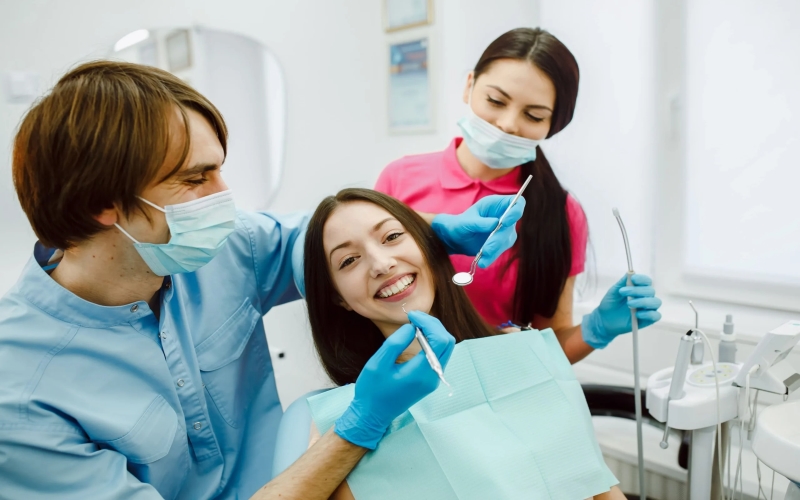
Oral hygiene is an important factor affecting one’s health and well-being. Prolonged periods of poor dental care may give rise to several oral diseases. Therefore, taking measures to protect one’s gum and teeth is essential for achieving an attractive smile and maintaining good health. Therefore, it is advised to consult a dentist in Northeast Philadelphia and make sure to receive personalized care to keep your oral health in check.
What Is Preventive Dentistry?
Preventive dentistry encompasses a schedule of dental visits complemented by an individual’s dental care practices, with the aim of preventing caries, periodontal problems, tooth wear and tear, and more. It’s based on the premise that any dental health problem must be detected and treated early to avoid more complex treatments in the future. This way, it is possible to manage the oral health care system through preventive action.
An example of the various preventive care practices that help strengthen teeth’s resistance to decay and disease are fluoride treatment and dental scaling and polishing. This approach seeks to accomplish and preserve good oral health and avoid problems, some of which could become painful or require extensive dental care.
Components of Preventive Dentistry
It consists of many aspects, including:
- Routine visits to the dentist, including cleaning and examination
- Dental X-rays to identify early dental problems
- Application of sealants to at-risk teeth
- Fluoride application to harden dental enamel
- Screening for oral cancers
- Educating the patients about oral care and healthy practices
Benefits of Preventive Dentistry
-
Early Detection of Problems:
Most people do not experience the symptoms of a health problem until it is too late. Regular visits to the dentist help the patient avoid such extremes. Problems such as tooth decay, periodontal problems, and mouth cancer can all be treated more easily in the early stages. Regular visits and clean-ups are directed toward the prevention and maintenance of these problems, preventing their escalation to worse issues.
-
Maintaining Oral Hygiene:
Professional cleanings eliminate plaque and tartar that even regular brushing and flossing cannot remove. As a result, cavities and gum disease, which are caused by bacteria accumulation, are avoided. Besides that, dentist hygienists are trained and able to offer information on ways to enhance daily oral hygiene to ensure healthy teeth and gums.
-
Preventing Gum Disease:
While gum disease is one of the main reasons for tooth loss in adults, it can be prevented through oral hygiene maintenance and routine dental care. In a way, preventive dentistry incorporates measures like scaling and root planing, which assist in removing plaque below the gum’s edge, thus aiding in the prevention and management of periodontal disease.
-
Saving Money:
Regular visits to the dentist are cheaper than resolving issues arising from advanced dental therapies, such as invasions like a root canal, implant, or extracting a decayed tooth, etc. As their name indicates, preventive measures taken early would relieve a lot of burden later in terms of costs.
-
Educating Patients:
One of the goals is to educate the individuals. Psychoeducational interventions can include training in appropriate brushing/flossing techniques, dietary recommendations that promote oral health, and behaviors that need to be given up, such as smoking or high sugar intake.
Conclusion
Preventive dentistry is central to maintaining oral health and general well-being. It is critical in mitigating further ailments such as cavities, tooth decay, and many dental problems.
Sticking to preventive measures in oral hygiene practices is recommended primarily because it pays off in one’s health and one’s standard of living. This entails, among other elements, how one brushes or flosses one’s teeth daily. It also entails how nutrition and lifestyle choices play a role in influencing oral health. By adopting this attitude towards dental care, one can look forward to the rewards of maintaining a beautiful and worry-free smile for many years.
