

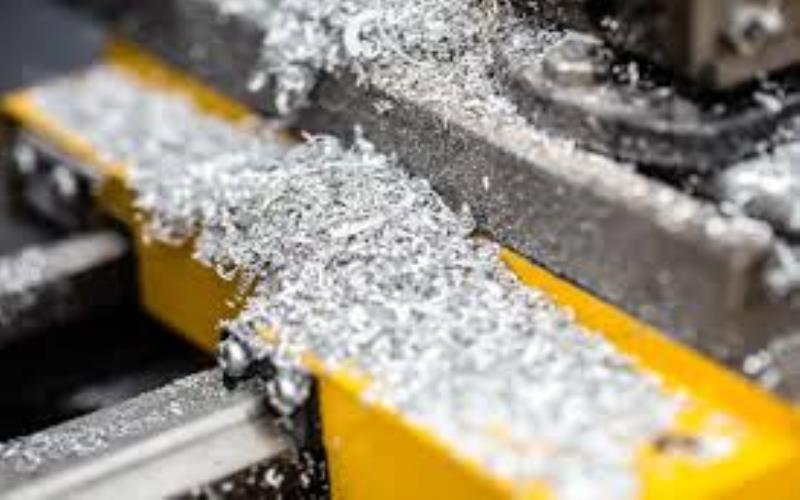
Reducing material waste in sheet metal fabrication is essential for cost savings and sustainability. Waste increases expenses and affects environmental responsibility. Therefore, manufacturers should adopt precision techniques, leverage modern software, and implement efficient reuse and recycling strategies. These strategies are efficient for minimizing waste while maintaining quality.
This article explores these practical approaches, from advanced cutting methods to adequate material nesting, that help optimize material usage and streamline operations.
Reducing Material Waste in Sheet Metal Fabrication
Material waste in sheet metal fabrication directly impacts operational costs, resource efficiency, and environmental sustainability. Therefore, manufacturers must find practical strategies to minimize waste, improve productivity, reduce costs, and promote eco-friendly practices.
The following are reasons to reduce waste in sheet metal fabrication.
- Cost Efficiency: Waste translates to financial losses. Consequently, waste reduction effectively maximizes raw materials usage and lowers operational expenses.
- Resource Optimization: Metals like aluminum and stainless steel are expensive, so efficient utilization ensures fewer resources are required for production.
- Environmental Sustainability: Excess waste contributes to landfill accumulation and environmental degradation. Therefore, implementing waste-reduction techniques helps reduce the carbon footprint.
- Improved Workflow: Wasteful processes slow down production and may lead to inefficiencies in resource allocation. Optimized processes reduce delays and enhance overall operations.
- Compliance with Regulations: Many industries enforce stringent waste management standards. Reducing waste helps businesses meet these legal and ethical obligations.
By addressing these factors, manufacturers can create a streamlined production process that minimizes waste and aligns with sustainable practices and long-term profitability goals. Implementing techniques like precision cutting, material nesting, and recycling strategies is critical to achieving these objectives.
Importance of Precision Cutting Techniques
While we have already examined why manufacturers need to reduce waste, this section discusses the importance of precision cutting techniques, known for efficient waste reduction.
Minimizes Material Waste
Precision cutting ensures that raw materials are used efficiently, reducing the scrap produced during the fabrication. This leads to cost savings and better resource utilization.
Improves Part Accuracy
Precision cutting allows tighter tolerances and ensures that parts meet exact specifications, improving product quality and functionality.
Enhances Production Efficiency
Precision cutting speeds up the overall fabrication process by minimizing errors and rework. This leads to reduced cycle times and increased throughput.
Reduces Post-Processing Costs
Precision techniques ensure accurate cutting and machining. Therefore, manufacturers will require fewer additional processes like grinding, sanding, or machining, lowering overall production costs.
Supports Complex Designs
Precision cutting techniques make it possible to fabricate complex geometries and intricate features with high accuracy, essential in industries requiring advanced design specifications.
Improves Material Yield
With precision cutting, manufacturers can better plan material layouts to maximize the yield from each sheet metal material, reducing waste and improving cost-effectiveness.
Enhances Consistency
Precision cutting leads to consistent results across batches, ensuring that parts are uniform and meet quality standards, which is critical for mass production.
Role of CAD Software in Waste Minimization
CAD (Computer-aided Design) software is used in precision manufacturing techniques to create technical drawings and 3D models of intended manufactured parts. It is effective in increasing process efficiency and speed.
Let’s explore its role in waste minimization.
Optimized Material Utilization
CAD software enables designers to create efficient layouts that maximize material usage. It allows them to place parts within a sheet, accurately reducing waste. It also ensures the fabrication of more parts per material unit.
Accurate Design and Prototyping
CAD software allows for precise designs, minimizing errors during fabrication. It creates accurate virtual prototypes to help identify potential material wastage early in the design process.
Facilitates Material Nesting
Advanced CAD tools support material nesting strategies, automatically arranging parts on a sheet to use space efficiently. This technique reduces offcuts and improves yield.
Reduces Trial and Error
With CAD simulations, manufacturers can test various designs and cutting strategies digitally. Moreover, CAD use eliminates physical trials, ensuring more material efficiency.
Streamlines Complex Geometries
CAD software simplifies the design of intricate parts by optimizing cutting paths and reducing unnecessary complexity, leading to minimal material loss.
Supports Customization
CAD tools make adjusting designs for specific production runs easy. They ensure precise use of materials as needed, reducing overproduction and waste.
Enhances Collaboration
CAD software improves communication between designers and fabricators. It ensures that designs align with available materials and production capabilities, reducing errors and waste.
Effective Material Nesting Strategies for Sheet Layout
Sheet metal nesting is an effective strategy for reducing waste and maximizing material usage. This section emphasizes its role.
Use of Advanced Nesting Software
Specialized nesting software can optimize the arrangement of parts on a sheet to minimize waste. These tools use algorithms to find the most efficient layouts, ensuring maximum material utilization.
Part Orientation Optimization
Adjusting the orientation of parts during nesting can help fit more pieces onto a single sheet. Strategic rotation or alignment of parts reduces unused gaps and offcuts.
Common-Line Nesting
In common-line nesting, adjacent parts share cutting lines, reducing the required cuts and saving material. This approach is efficient in repetitive or high-volume production.
Clustering Similar Shapes
Grouping similar or complementary shapes reduces irregular gaps in the layout. It ensures tighter fits between parts, maximizing material coverage.
Efficient Sheet Sizing
Matching sheet sizes to a project’s specific requirements minimizes leftover material. Using custom-sized sheets tailored to the nested layout further reduces waste.
Prioritizing High-Yield Layouts
Even if slightly more complex, selecting layouts that yield the most parts per sheet ensures material efficiency while maintaining production quality.
Simulation and Validation
Running simulations to test different nesting configurations ensures that the selected strategy minimizes waste while maintaining manufacturability, which prevents errors during cutting.
Best Practices for Reusing and Recycling Scrap Metal
This section reviews practical strategies to reuse and recycle scrap metal for more efficient operations.
Segregate Scrap by Material Type
The first step is to separate scrap metal into categories based on its alloys, such as aluminum, steel, and copper. This grouping ensures efficient recycling and helps maintain material quality for reuse.
Implement On-Site Scrap Collection Systems
Designate collection bins or areas within the facility for different scrap types. This streamlines the recycling process and minimizes contamination.
Repurpose Usable Offcuts
Identify larger offcuts or remnants that can be repurposed for smaller components or prototypes, reducing the need for new material.
Partner with Metal Recycling Facilities
Collaborate with local recycling facilities to properly process scrap. These partnerships often provide monetary returns for recycled materials.
Invest in Scrap Handling Equipment
Equipment such as shredders and compactors process and transport scrap efficiently, making it easier to recycle or reuse.
Track and Monitor Scrap Generation
Keep records of scrap production to identify patterns, inefficiencies, or excessive waste. This data can inform process improvements.
Educate Employees on Recycling Protocols
Train staff on recycling best practices to ensure consistent and effective implementation. Awareness can significantly reduce inadvertent waste.
Conclusion
Minimizing waste in sheet metal fabrication benefits both businesses and the environment. Precision cutting, material nesting, CAD software, and effective recycling practices reduce costs and improve sustainability. By embracing these strategies, manufacturers enhance resource efficiency while meeting production demands. That said, addressing material waste is beyond saving costs; it also demonstrates a commitment to responsible manufacturing and environmental stewardship, paving the way for long-term success.
